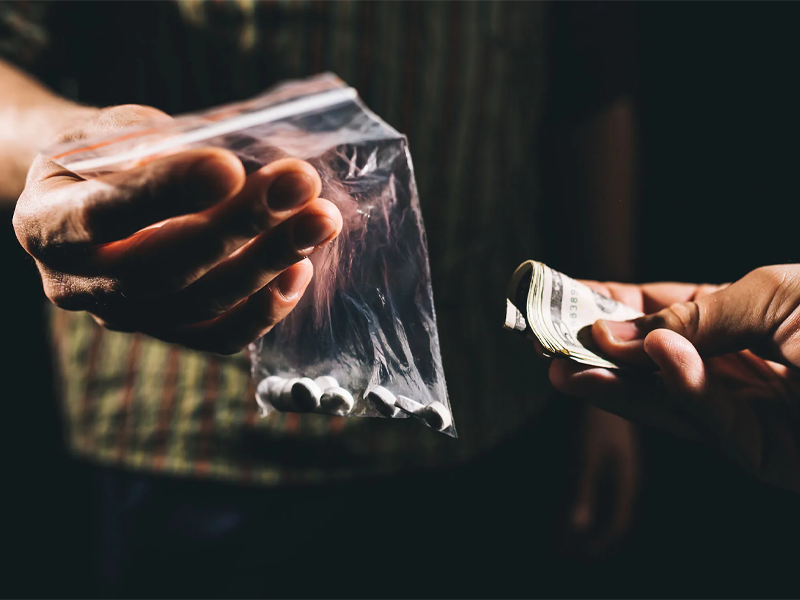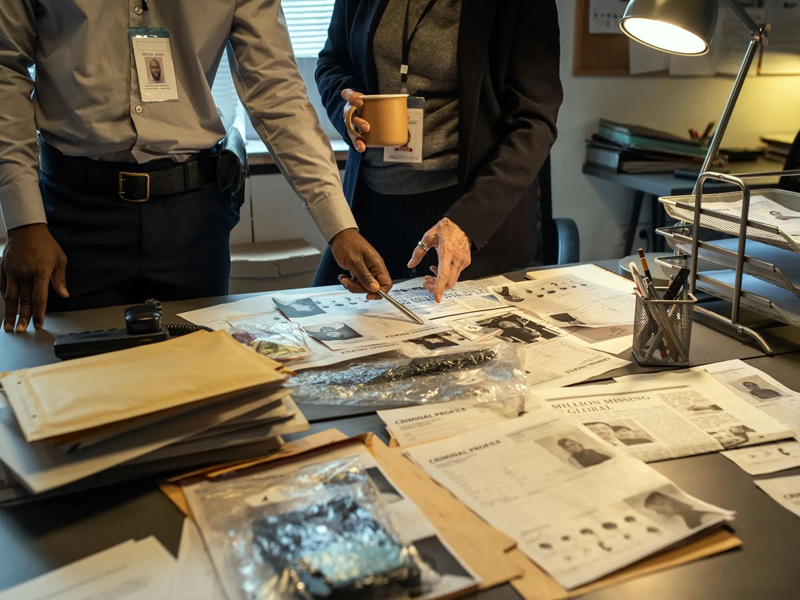
Drug trafficking is no longer a local operation run by small street groups. Modern drug networks move products across continents, hide profits inside international banking systems, and communicate through encrypted digital platforms. Because of this shift, investigations have become far more complex and global. The U.S. Drug Enforcement Administration (DEA), along with international partners, now relies on technology, intelligence sharing, undercover work, and financial tracking to dismantle criminal organizations from top to bottom.
The New Reality of Global Crime
Today’s drug networks function like multinational corporations. A single operation may involve chemical suppliers in Asia, production labs in Latin America, shipping routes that pass through several countries, and distribution hubs in major U.S. cities. Each stage requires planning, logistics, communication, and financing. As drug trafficking expands, law enforcement must constantly adapt.
For investigators, the first step is gathering intelligence. Clues may come from local police, community tips, border seizures, suspicious financial activity, or digital monitoring. When something looks unusual—such as a sudden spike in overdoses or strange cargo patterns—agents begin piecing together how a new network might be operating.
Tracking the Supply Chain
Once a potential network is identified, investigators follow the supply chain the same way financial analysts track money laundering or fraud. Production, transportation, and distribution are all examined in detail.
Drugs do not move randomly. They travel through structured systems, whether hidden in freight trucks, packaged inside legitimate shipments, or smuggled through airports and private planes. Advanced scanning equipment, GPS tracking, shipping data, and customs inspections help identify suspicious cargo. Even a single intercepted shipment can reveal routes, names, and connections that lead deeper into the criminal structure.
But the physical path is only part of the investigation. Communication between suppliers, transporters, and distributors often takes place online. Encrypted messaging apps, the dark web, and virtual private networks make communication difficult to trace. For this reason, the DEA uses cyber experts who search for digital fingerprints, hacked communication files, server records, or unusual online purchasing behavior. Cryptocurrency has added another layer of complexity, and investigators now use blockchain analysis to follow digital transactions back to the individuals controlling the money.
Undercover Work and Human Intelligence
Despite advances in technology, one of the most valuable tools in a major investigation is still human intelligence. Some cases depend on informants who provide inside information about how a network operates, where drugs are stored, or who is in charge. Others require undercover agents who pose as buyers, transporters, or investors. They gather evidence, record conversations, collect product samples for laboratory testing, and help identify the key members of an organization.
Undercover work is dangerous, time-consuming, and highly strategic. Successful operations can take months or even years. However, they often produce the most direct evidence and lead to the arrests of individuals who rarely appear in public.
Following the Money
One of the most effective investigative strategies involves financial tracking. Drug trafficking generates billions of dollars, and money gives criminals away. When cartels move profits across borders, they use shell companies, real estate purchases, luxury items, wire transfers, and cryptocurrency to hide the source of the income. Even when individuals avoid physically carrying cash, their digital financial activity leaves a trail. Unexplained wealth, sudden property purchases, or frequent transfers to offshore accounts can become powerful evidence.
Financial investigations are often what separates street-level arrests from full-scale takedowns. By exposing the flow of money, law enforcement reaches the people controlling entire networks—business managers, brokers, bankers, and financial advisors who try to stay invisible.
Global Cooperation
No country can fight drug trafficking alone. Criminal networks operate across borders, and so do modern investigations. The DEA works closely with agencies such as Customs and Border Protection, Homeland Security Investigations, the Coast Guard, Interpol, Europol, and foreign drug enforcement units. Through joint task forces, shared databases, intelligence exchanges, extradition agreements, and coordinated raids, investigators can follow a criminal operation from the source of production to the final point of sale.
This cooperation has led to major global arrests, reduced drug supply chains, and the shutdown of international smuggling routes. When one country seizes drugs or identifies a suspect, the information can quickly trigger actions in another part of the world.
Building a Case That Lasts
A successful investigation is not just about confiscating drugs—it is about building a case strong enough to hold up in court. Prosecutors need evidence that proves leadership, organization, communication, financing, and intent. This requires surveillance footage, phone records, financial documents, hidden-camera audio, laboratory results, and testimony from undercover agents or informants. Every piece must be collected legally and carefully so the case is not dismissed.
For this reason, the most effective operations target leadership rather than only street-level distributors. When the individuals who organize, finance, and manage the operations are arrested, the entire network weakens or collapses.
The Future of Cross-Border Drug Investigations
Modern drug enforcement looks very different from traditional street policing. It involves cyber forensics, global intelligence networks, financial investigations, digital surveillance, and international cooperation. Criminal organizations continue to evolve, and law enforcement continues to adapt. The goal is not just to seize drugs, but to dismantle the systems behind them.
Real investigations are strategic, detailed, and built on patience. The process may not be visible to the public, but it is constant—and it reaches across borders, screens, bank accounts, and supply chains. As drug networks grow more digital and global, the work to stop them becomes smarter, faster, and more international than ever before.