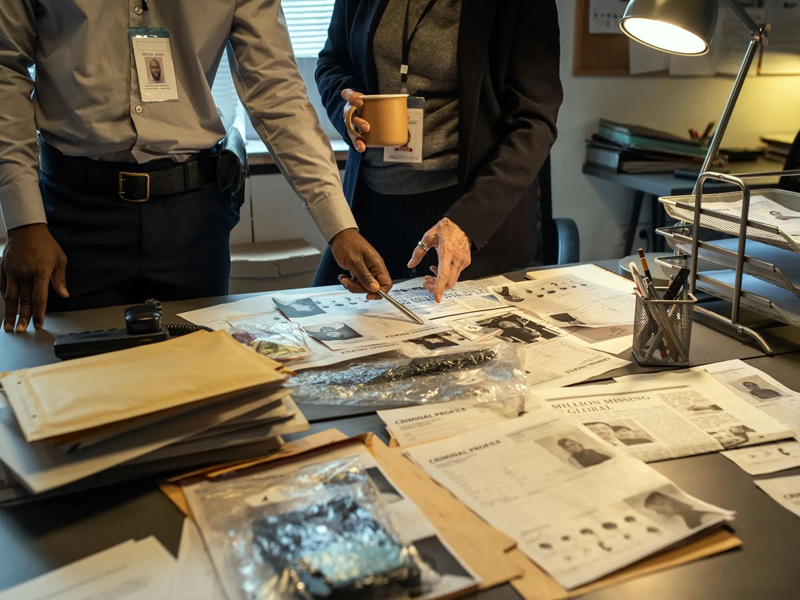
For decades, the image of a cartel was shaped by dramatic news footage and movies—armed men, jungle labs, dusty warehouses, and violent turf wars. While violence still exists, the real danger today is far more advanced, invisible, and global. Modern cartels no longer operate like street gangs. Many now function like efficient corporations using business strategies, technology, analytics, and financial infrastructure that rival legitimate companies.
Organized crime has evolved. Understanding this evolution explains why traditional law enforcement approaches no longer work on their own.
From Streets to Systems: The Corporate Model of Crime
Modern criminal organizations have adopted corporate structures because they are more scalable, harder to detect, and incredibly profitable. Instead of relying only on intimidation, they now use:
- Supply chains
- Crypto currency
- Investment portfolios
- Digital communication tools
- Recruitment through social media
- Professional accountants and lawyers
Instead of one leader controlling every detail, cartels use decentralized cells—similar to multinational companies with branches and departments. This keeps the organization running, even if one division is exposed.
- A Corporate-Style Hierarchy
Today’s cartels often mirror the structure of a Fortune 500 company:
| Cartel Equivalent | Corporate Equivalent |
| Leadership (bosses) | CEO / Board of Directors |
| Regional commanders | Regional Managers |
| Money launderers | Finance Department |
| Chemists, suppliers, growers | Manufacturing & Operations |
| Hackers and tech experts | IT & Cybersecurity |
| Recruiters | Human Resources |
| Smugglers and transport | Logistics & Shipping |
| Corrupt officials | Business Development / Contracts |
This allows for specialization. Instead of one person doing everything, each division focuses on a specific area—just like a legitimate business.
- Modern Cartels Use Global Supply Chains
The drug trade used to be local. Today, criminal networks operate across continents:
- Chemicals from Asia
- Production labs in Latin America
- Distribution channels across the U.S. and Europe
- Money laundering through international banks and crypto
This is the same model used by Amazon, Walmart, and major shipping companies—high volume, fast movement, and international supply coordination. Cartels use:
- Shipping containers
- Commercial trucking companies
- Cargo ships
- Private planes
- GPS route planning
- Hidden stash compartments
- Corrupt officials to “clear” packages
This logistics model makes products harder to trace, and seizures barely disrupt supply.
- Recruitment Looks More Like Corporate Hiring
Gone are the days when every recruit was a street-level criminal. Modern cartels hire:
- Lawyers
- Accountants
- Chemists
- Hackers
- Pilots
- Financial advisors
- Graphic designers (yes, even branding)
Many are not traditional criminals—they are people with professional skills looking for money, protection, or opportunity. Social media and encrypted apps make recruitment fast and quiet.
Some recruits don’t even know they are helping a criminal organization. They think they are doing freelance cybersecurity, shipping management, or digital marketing—until it’s too late.
- Branding, Marketing, and Customer Loyalty
It may sound surprising, but some criminal groups use branding in the same way legal companies do. Names, colors, packaging, and product quality are used to attract buyers.
A reliable product gains customer trust, and that trust keeps business growing. In some regions, cartels even:
- Pay for community services
- Build sports fields
- Hand out food
- Sponsor local events
These are PR tactics that increase loyalty and silence witnesses. It is marketing—illegal, but strategic.
- Technology Drives Modern Organized Crime
Today’s cartels use technology at every level:
- Encrypted messaging platforms to avoid surveillance
- Cryptocurrency to hide financial trails
- Drones to monitor borders
- VPNs, firewalls, and proxies to hide communication
- Dark web marketplaces for distribution
- AI and data analytics to predict police patterns
Some organizations even hire cybersecurity experts to hack law enforcement systems or locate informants. As policing becomes more digital, so do criminal operations.
- Money Laundering Has Become High-Tech
Modern cartels do not store cash in dusty warehouses. They move money through:
- Shell companies
- Real estate investments
- Luxury vehicles
- Art auctions
- Crypto wallets
- Offshore bank accounts
- Front businesses (restaurants, clubs, logistics firms)
Each transaction makes the “dirty” money cleaner—just like a corporate accounting department hides tax strategies behind legal paperwork.
- Violence Is Not Always Loud Anymore
While violence still happens, modern criminal organizations know that silence keeps profit flowing. Large-scale shootouts and public terror bring federal attention, which disrupts business. Instead, they rely on:
- Bribery instead of bullets
- Infiltration instead of intimidation
- Hackers instead of hitmen
- Financial power instead of fear
A cartel can make more money by staying quiet, efficient, and invisible.
Why Understanding This Matters
Communities, law enforcement, and governments are fighting a new kind of criminal empire—organized, global, and corporate-minded. The war on drugs is now a mix of:
- Cybersecurity
- Financial investigation
- Logistics disruption
- International cooperation
- Data analysis
- Border intelligence
Today’s fight is less about street arrests and more about dismantling financial networks, seizing assets, tracking crypto trails, and cutting supply chains.
Conclusion: The New Face of Organized Crime
Modern cartels no longer look like chaotic gangs. They look like global businesses. Their structure, technology, and financial systems are sophisticated, flexible, and constantly evolving. Understanding this corporate model is the first step to fighting it.
Today’s organized crime isn’t just a law-enforcement problem—it’s a cybersecurity problem, a financial crime problem, and a global corporate problem.
And as long as criminal organizations operate like businesses, governments need to respond with strategies built for a new era.