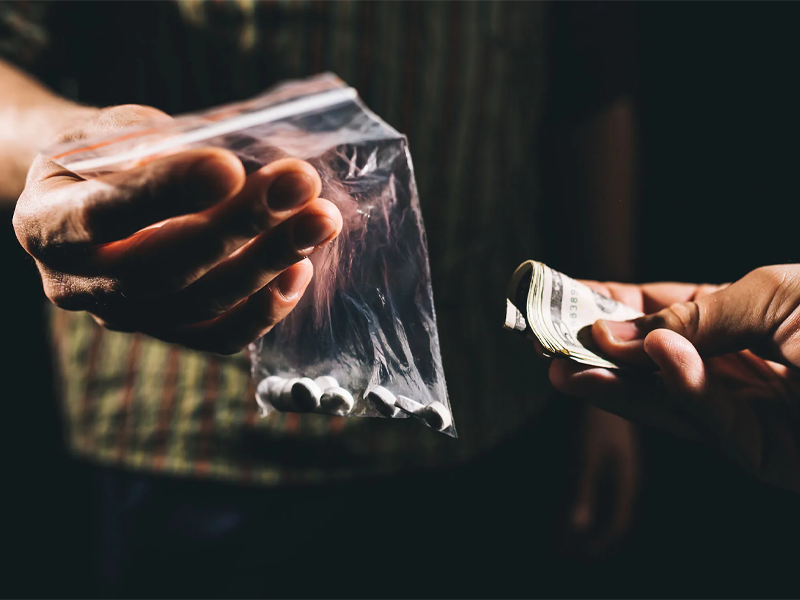
Edible products have become one of the fastest-growing segments of the cannabis and CBD market. You can find gummies, brownies, chocolates, drinks, cookies, and even cereal bars claiming to contain THC or CBD. While many licensed companies produce safe and regulated items, there is also a rising number of untested, fake, or illegal products being sold online, in small stores, at gas stations, and through social media. These products are not just questionable—they can be dangerous.
Knowing how to identify unsafe edibles is important for consumers, parents, and businesses. Fake edible products can contain harmful chemicals, mislabeled ingredients, unknown drug doses, and in extreme cases, no cannabis at all—just synthetic chemicals. The good news is that there are clear warning signs that can help you stay safe.
Why Illegal Edibles Are a Growing Problem
As legal cannabis markets expand, counterfeiters try to profit by copying real brands or creating fake ones that look attractive and harmless. Many of these products are designed to resemble colorful candy or popular snack brands, which makes them especially risky for children and teenagers. Illegal edibles are often:
- Made without lab testing
- Produced in unsanitary environments
- Labeled with fake nutrition or dosage information
- Packaged to look like well-known snacks
- Sold with no age verification
Because there is no regulation, there is no guarantee of what is actually inside. Some products contain extremely high THC levels, while others may include pesticides, synthetic chemicals, expired ingredients, or dangerous additives.
Warning Signs of Fake or Dangerous Edibles
- Packaging That Looks Like a Cartoon or Candy Brand
Many illegal edible producers intentionally design packaging that mimics:
- Candy bags
- Gummy brands
- Chocolate bars
- Cereal or chips
- Colorful kids’ snacks
If a product looks too playful or childish, that is often a red flag. Licensed companies avoid marketing that could attract minors because it is illegal. Counterfeiters do the opposite—they use bright colors and familiar logos to increase sales.
- No Manufacturer Information
Safe, legal edible products always list:
- Company name
- Address or city of production
- Official website
- Batch number or tracking code
- Customer service or verification contact
If packaging has no verifiable company details, it is likely illegal. Fake brands often use generic names or avoid listing any contact information because they do not want to be traced.
- No Lab Testing or QR Code
Legitimate edibles are required to go through laboratory testing for:
- THC or CBD dosage accuracy
- Pesticides
- Heavy metals
- Mold
- Chemical additives
Real products include a lab report or a QR code you can scan to view test results. Fake edibles do not offer any proof of testing. If the packaging has a QR code that looks fake, leads to a broken link, or shows unrelated content, that is a strong warning sign.
- Unusually High THC Claims
Some fake products advertise unrealistic potency, like:
- 500mg or 1000mg in a single small gummy
- Extremely high milligrams without lab results
- “Extra strength” labels with no medical compliance
These numbers are often exaggerated to attract buyers. Without regulation, the product may contain much less—or much more—than what’s advertised.
- Extremely Low Prices
If a product is far cheaper than anything sold by licensed dispensaries, it is likely illegal. High-quality edible production is expensive. Counterfeiters use cheap ingredients and unsafe methods to maximize profit.
Low price is not a deal—it’s a warning.
- Spelling Errors or Poor Printing
Many counterfeit packages are printed cheaply. Look closely for:
- Misspelled words
- Blurry logos
- Low-resolution images
- Incorrect nutritional labels
- Fake barcodes
Licensed companies spend money on professional packaging and legal compliance. Illegal producers do not.
Risks of Consuming Illegal Edibles
Fake or unregulated edibles can be harmful for several reasons:
- Uncontrolled THC levels can cause panic attacks, anxiety, vomiting, blackouts, or unresponsiveness.
- Unknown synthetic additives may lead to poisoning or allergic reactions.
- Unclean production can introduce bacteria, mold, or contaminants.
- No ingredient list means consumers with allergies are at risk.
- Child-friendly packaging increases accidental ingestion in homes.
Hospitals nationwide have reported increases in emergency cases caused by fake edible products—especially in teenagers and children.
How to Stay Safe When Buying Edibles
The best way to avoid dangerous products is to purchase from licensed and legal sources. Consumers should buy from regulated dispensaries that follow state guidelines and require age verification. Never purchase edibles from:
- Social media sellers
- Strangers on messaging apps
- Flea markets or parking-lot vendors
- Stores that are not authorized to sell cannabis
- Websites with no company details
Safe products will always include lab information, clear dosage instructions, and proper warnings. If something feels suspicious, trust your instincts. When in doubt, do not consume it.
What Parents Should Know
Edibles packaged like candy or snacks are easily mistaken for common treats. If you have children at home:
- Store all edibles in locked or hidden areas
- Do not leave packaging in drawers or on counters
- Educate older kids and teens about the risks
- Watch for unknown candy or snacks that suddenly appear
Accidental ingestion is one of the most common emergencies linked to illegal edibles, and prevention is the best protection.
Final Thoughts
Fake or dangerous edible products are becoming easier to find and harder to recognize. While legal markets provide safe and tested options, illegal sellers continue to target consumers with cheap packaging and bold claims. Learning how to identify suspicious products—by checking packaging, company information, pricing, and lab testing—can prevent serious health risks.
Awareness is the strongest tool. Whether you use edibles or simply want to protect your home and family, understanding the warning signs can keep you safe in a growing and sometimes unpredictable marketplace.